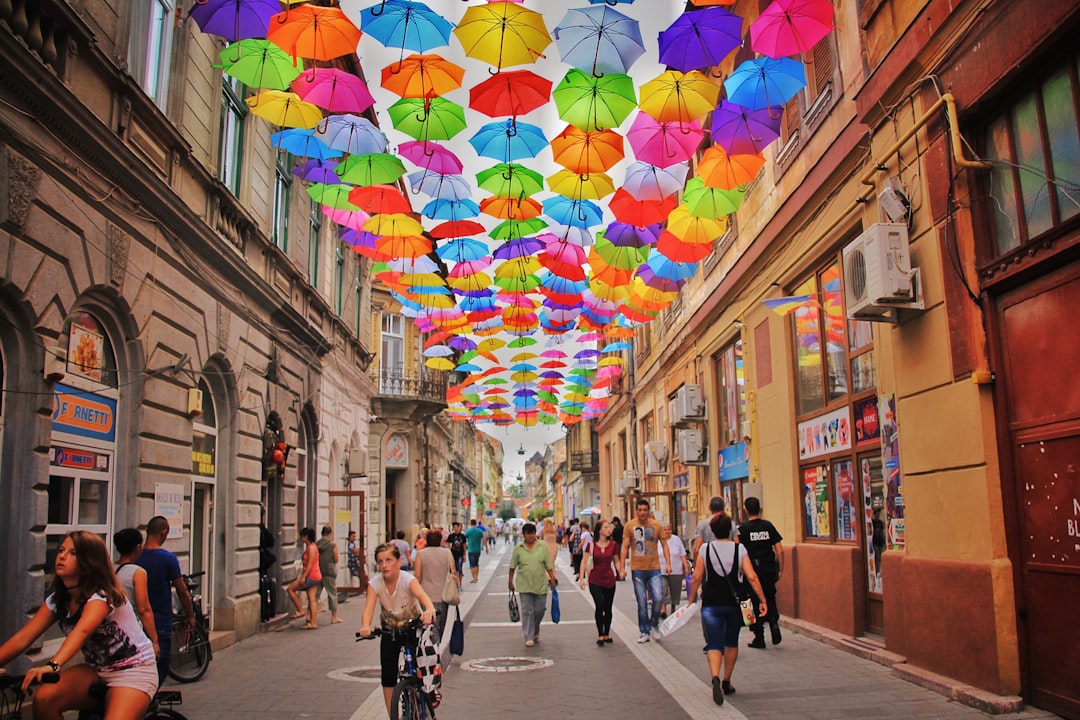
Festival-to-Food-Tour: How to Build a Playful Weekend Itinerary
Build a playful weekend with festivals, street food, and interactive local stops using this proven short-trip formula.
If you love the energy of a city weekend but hate wasting time piecing together three different booking tabs, this guide is for you. The smartest short trip right now borrows from the same “playful experience” trend that has reshaped festivals, design weeks, and brand activations: make the day feel interactive, move between moods, and build in moments that surprise you. In practice, that means blending balanced weekend itineraries, a strong street food stop, a few local event deals, and one or two hands-on activities that make the trip feel like a story instead of a checklist.
What makes this formula so effective is that it solves the biggest pain point in short-trip planning: too many choices, too little time. A playful weekend itinerary is not about packing more into 48 hours. It is about selecting experiences that create momentum, keep walking routes efficient, and give you high joy per dollar. If you want a city weekend that feels curated rather than rushed, use the same mindset travelers now use for last-minute event deals and treat the festival, food crawl, and neighborhood stopovers like a mini experience design project.
Below, you will find a full planning framework, a sample itinerary, a comparison table, budget guidance, and practical booking tactics. The goal is to help you build a weekend that feels playful, local, and bookable fast.
What a Playful Weekend Itinerary Actually Is
It is not a packed schedule; it is a mood-led route
A playful itinerary is built around experience quality, not raw quantity. Instead of asking, “How many attractions can I fit in?” ask, “What three or four moments will make this trip memorable?” That might mean a morning food market, an afternoon music festival, an interactive art stop, and a late-night dessert crawl. The structure works because each stop has a different texture: movement, taste, participation, and downtime.
This approach mirrors the trend behind immersive brand experiences that lean into fun, participation, and unexpected contexts. The strongest festivals and activations succeed because they are designed around emotion, not just attendance. For travelers, that means choosing a local event that creates energy, a food tour that introduces the neighborhood, and a stop that lets you interact with the city rather than simply observe it. If you want inspiration for active vs. relaxed pacing, see how to spend a flexible day in Austin and how to balance family and solo travel.
It works especially well for short trips
Weekend travel is the perfect format for playful planning because the time horizon is short enough to create urgency and long enough to build a narrative. You do not need six districts, five museums, and a midnight train. You need one compact area with a festival, a food street, and a few interactive stops. That limited footprint reduces transit fatigue, lowers costs, and keeps the trip from unraveling when one element runs late.
Short trips are also where deal strategy matters most. In a two-day itinerary, one overpriced dinner or inefficient transfer can throw off the whole budget. That is why savvy travelers compare options before they book, just like readers researching why flight prices spike or browsing limited-time deals before making a purchase. The point is not to chase every discount. It is to protect the overall value of the weekend.
It turns the city into the attraction
The best playful itineraries treat the neighborhood itself like the main event. A street market becomes the appetizer. A street food corridor becomes the lunch anchor. A festival, parade, open-air concert, or seasonal fair becomes the headline. Then you add small, high-touch details: a hands-on workshop, a local dessert spot, a craft store, a bookstall, a photo stop, or a transit ride with views. This is why playful travel feels more personal than standard sightseeing.
If you like the idea of a “city as venue” mindset, you may also enjoy browsing transit-inspired urban design ideas and photographing travel details. Those references may sound adjacent, but they point to the same thing: small curated details make a place feel intentional.
How to Choose the Right Festival, Food, and Local Stops
Start with the anchor event
Your anchor event should set the tone for the whole weekend. It could be a music festival, cultural fair, seasonal night market, neighborhood parade, food fest, or even a comic, design, or cinema event. Pick something that already has a strong built-in atmosphere, then build the rest of the itinerary around it. You want the anchor event to be the emotional high point, not one more random thing to squeeze in.
When evaluating options, check the event timing, venue layout, entry rules, and what is actually nearby. A great anchor is walkable from food, transit, and a secondary activity. If you are hunting for value, compare the event against other event deals and, if relevant, look at discounted local comedy shows or smaller community events that can fill the same “playful” slot without the premium price tag.
Choose food by format, not just cuisine
A festival-to-food-tour weekend works best when the food format matches your pace. A sit-down tasting menu can be wonderful, but it may not fit if your main goal is momentum. Consider street food clusters, hawker-style markets, pop-ups, food halls, or a guided neighborhood tasting route. Those formats let you sample more, move more easily, and keep the schedule flexible if weather changes or your festival runs long.
Street food is especially powerful because it is social, quick, and local. It naturally creates the “I discovered this” feeling travelers love. For a deeper look at how food businesses turn walk-by traffic into loyal repeat visits, see customer love on the move. Even if you are not running a food truck, the principle applies: the best food stops are easy to find, fast to access, and memorable enough to become the story of the trip.
Insert one interactive local stop
The interactive stop is what separates a standard weekend from a playful one. Choose one activity that asks you to do something: a cooking class, a craft workshop, a dance lesson, a photo walk, a maker market, a tasting demo, or a transit ride with a scenic or quirky twist. This stop gives the itinerary a hands-on texture and makes the trip feel participatory rather than purely consumptive.
If you want a broader lens on how participation changes engagement, look at the logic behind interactive creator formats and event promotion tactics. In travel, the same rule applies: people remember what they did, not just what they saw.
The Best Weekend Formula: 3 Anchors, 2 Fillers, 1 Buffer
Anchor 1: The festival or headline event
Your first anchor is the main attraction. This should be the one thing you would still be happy to do if the rest of the plan changed. Reserve tickets early if there is limited inventory, and check whether the event has time-specific entry windows. If it is a free street festival, verify route closures, stage times, and vendor hours so you do not arrive during a dead zone.
For travelers who care about budget, this is where you avoid overpaying for a whole-city pass when one event matters most. Deal-minded planning is similar to watching discount timing in retail: the right purchase at the right moment can dramatically improve value.
Anchor 2: The food tour or street food corridor
Your second anchor is the meal experience. Ideally, this is a route with several nearby vendors, a market hall, or a neighborhood known for local snacks and regional specialties. You want the route to be walkable and easy to exit if you get full, tired, or tempted by dessert. The best food stops are close enough to each other that the transition feels seamless, but varied enough that every bite feels like a different chapter.
If a guided food tour is available, compare it to self-guided roaming. Guided tours are excellent for first-time visitors because they reduce decision fatigue and usually surface better context. Self-guided routes can be better for flexible eaters, smaller budgets, or spontaneous weekend plans. Either way, make sure the food part of the weekend is more than dinner. It should be a deliberate experience block.
Anchor 3: One interactive local stop
This is your “playful travel” differentiator. It can be a market workshop, a museum with hands-on installations, a local craft studio, a neighborhood scavenger hunt, or even a sports-adjacent activity if it fits the city. The point is to add a moment where you are not just watching the city perform; you are joining in. That one stop creates a stronger memory footprint than another generic sightseeing break.
For inspiration on choosing interactive experiences with the right fit, browse how to choose a class or studio near you and think in terms of schedule, price, and location. The same logic applies to travel activities.
A Sample Playful Weekend Itinerary You Can Copy
Friday evening: arrival, dinner, and a low-pressure warmup
Arrive early enough to avoid turning the first night into a scramble. Check in, drop your bag, and head to one relaxed food stop near your hotel or station. This is not the night for a complicated reservation unless it is the main reason you came. Keep the first meal light but local, then take a short neighborhood walk to orient yourself.
If there is a night market, comedy set, small concert, or preview event nearby, add it as a soft opener. You are not trying to exhaust yourself. You are priming the weekend with atmosphere. Many travelers forget that the first night sets the pace for the rest of the trip, so build in an easy win rather than chasing maximum output.
Saturday: festival energy plus food-tour exploration
Start with a late breakfast or early snack and then head to the festival while energy is high. Spend enough time to absorb the main performances, installations, or vendor scene, but leave before fatigue turns fun into friction. Then move directly to a street food district, food hall, or tasting route that is within a short ride or walk. The transition from festival to food works because both environments are lively and social, but the change in rhythm keeps the day from feeling repetitive.
Later in the afternoon, slot in an interactive stop: a hands-on workshop, local market activity, or an easy cultural experience that does not require a lot of cognitive load. Finish with a sunset drink, a dessert run, or a low-key second event. If you like the idea of protecting balance within a tight schedule, the approach is similar to weekend planning in Piccadilly: one strong highlight, one sensory detour, one buffer.
Sunday: slower neighborhood discovery and easy departure
Use Sunday for the part of the city tourists often miss: a local brunch spot, a compact museum, a park walk, a morning market, or a neighborhood with independent shops. Keep it flexible so you can leave room for one last snack stop or souvenir buy. If your trip includes a train station, airport, or coach terminal with decent food nearby, use that final block for a no-stress departure instead of trying to cram in a final attraction.
Sunday should feel like an intentional cooldown, not a leftover day. The smartest itineraries taper from high-energy festival moments into lighter, more local experiences. That rhythm helps you leave feeling like you actually lived in the city for two days instead of sprinted through it.
How to Budget a Festival-to-Food Weekend Without Killing the Fun
Separate fixed costs from flexible costs
The easiest way to manage a weekend budget is to split expenses into fixed and flexible categories. Fixed costs are transportation, lodging, and ticketed events. Flexible costs are food, drinks, souvenirs, rideshares, and optional add-ons. Once you know the fixed total, you can decide how much play money is left for food tours, tasting menus, and spontaneous stops.
This matters because the weekend formula can be adapted for different budgets. A higher-end version might include a premium festival ticket, guided tasting tour, and boutique hotel. A value version might use public transit, free local events, and a self-guided street food crawl. If your flight cost is the main variable, keep an eye on fare volatility and book when the route makes sense rather than waiting for perfection.
Use location to reduce transport spend
The most overlooked savings tool in short-trip travel is proximity. If your hotel sits between the festival and food district, you cut transport costs and lower the risk of delays. You also gain a reset point, which is invaluable when you are out all day. On a 48-hour trip, location is often more valuable than a fancy room upgrade because it buys you time and convenience.
If you are weighing lodging options, think in terms of movement patterns, not just star ratings. A slightly smaller room near the action may create a better trip than a beautiful room that requires a long commute every time you want coffee, lunch, or a restroom break.
Plan one splurge, not five
Playful travel works best when one element feels special and the rest feel smart. Pick one splurge: maybe the festival ticket, maybe the food tour, maybe the hotel, maybe the final dinner. Then keep the remaining parts simple and efficient. This “one premium, several practical” approach protects your budget while still making the trip feel elevated.
That is the same principle behind smart deal shopping across categories. For example, bargain hunters watch flash promotions and only strike when a purchase materially improves the experience. Travel is no different.
How to Make the Weekend Feel Playful, Not Forced
Build micro-surprises into the route
Playfulness thrives on small surprises. Add one offbeat dessert stop, one unusual transit choice, one spontaneous photo break, or one venue with a quirky interior. These details do not need to be expensive. They just need to interrupt predictability and give the weekend some texture. A playful itinerary should feel like it is revealing itself as you move through it.
In practice, micro-surprises also make content creation easier if you like posting your trip. A colorful snack, a neon sign, a crowd scene, or a workshop in motion creates better memories and better photos than a string of generic landmarks. That is one reason city weekends perform so well for social sharing.
Choose places that invite participation
The most memorable travel moments usually involve participation: ordering directly from a vendor, stamping a market card, joining a tasting, taking a class, or following a neighborhood trail. Participation creates ownership. It also reduces the sense that you are only “consuming” the city from a distance.
This is where the difference between a regular weekend and a playful weekend becomes obvious. One is about coverage. The other is about interaction. For an even more active lens, compare the way creators use engagement tactics in short-form media and think about how cities create response loops through festivals and food.
Leave room for improvisation
Not everything should be booked to the minute. The best playful itineraries include one buffer block where you can linger, detour, or skip something without stress. That flexibility is crucial when festivals run late, food lines are longer than expected, or you discover a neighborhood gem you did not know about. A weekend itinerary should guide you, not imprison you.
Buffer time is also how you protect your energy. If every hour is accounted for, the weekend becomes a project. If there is room to breathe, you stay curious, which is exactly the mindset playful travel needs.
A Practical Comparison of Weekend Itinerary Styles
If you are unsure whether the festival-to-food-tour model is right for your trip, compare it with other common weekend styles. The table below shows how the formats differ in pace, cost, and the type of traveler they suit best.
| Itinerary Style | Best For | Pace | Typical Cost Pressure | How “Playful” It Feels |
|---|---|---|---|---|
| Festival-to-Food-Tour | Travelers who want energy, local flavor, and variety | Moderate to lively | Medium | Very high |
| Museum-and-Café Weekend | Calm city explorers and indoor travelers | Slow | Low to medium | Medium |
| Luxury Hotel Reset | Rest-focused couples and burnout recovery trips | Very slow | High | Low to medium |
| Max-Attractions City Sprint | First-time visitors chasing major landmarks | Fast | Medium to high | Low |
| Local Events Weekend | Repeat visitors and budget travelers | Flexible | Low | High |
Booking Tips That Save Time and Reduce Friction
Book around the anchor, not everything at once
When planning a short trip, do not start with hotel, then food, then activities, then transport in isolation. Start with the anchor festival or event. Once that is set, choose nearby food stops and one interactive activity that fits the same zone. This reduces decision fatigue and keeps the itinerary geographically coherent. It also helps you spot conflicts early, like a food tour that overlaps with the festival’s best performance window.
For travelers who want a more reliable booking process, it can help to think like a buyer vetting service providers. That is where resources such as how to vet a realtor like a pro may seem unrelated, but the principle is similar: check reviews, compare terms, and confirm the real details before paying.
Read the small print on timing and fees
Festival tickets, food tours, and add-on experiences often hide practical constraints in the fine print. Check whether the event has timed entry, refund limits, service fees, age restrictions, or weather contingencies. A cheap ticket that cannot be used flexibly may cost more in stress than it saves in cash. Likewise, a great food tour can become annoying if it starts too early, covers too much ground, or requires a difficult meeting point.
If you want a better understanding of hidden cost mechanics, the same consumer caution used in housing market guides and weather disruption case studies applies to travel. Conditions matter. Timing matters. Access matters.
Use verification signals before you book
Reviews, photos, route maps, and operator responsiveness are useful signals. For food tours, check whether the itinerary includes real stops or generic marketing language. For festivals, check recent attendee photos and lineup timing. For interactive local activities, verify that the group size and duration match your expectations. The goal is to avoid fragmented booking paths and operators who look good online but do not deliver a smooth experience.
That trust-first approach is part of why curated travel planning works. Like travel consumers comparing products or services in other categories, you want a fast path to confidence. It is the same logic behind timing purchases for better value and reading trusted guides before you commit.
When the Festival-to-Food Formula Works Best
Seasonal city breaks
This itinerary style shines during seasonal events: summer street fairs, autumn harvest festivals, winter light walks, spring food markets, and year-round neighborhood celebrations. Seasonal programming gives you built-in atmosphere, which means you do less work to create energy. Even a modest city becomes more compelling when the calendar is doing some of the heavy lifting.
If you are traveling in a city with a strong event calendar, look for dates where the festival and food scene overlap. That is when the value is highest because the city feels activated on multiple levels at once.
Friend trips and couples weekends
This format is especially good for group travel because it naturally supports shared moments, easy decision-making, and flexible pacing. Friends can split snacks, compare festival highlights, and take turns choosing the interactive stop. Couples often like it because it alternates activity with conversation-friendly time, which keeps the weekend playful without becoming exhausting.
Traveling with others also works better when the itinerary has a strong centerpiece. Instead of negotiating eight possible attractions, the group can agree on one anchor and build around it. That reduces friction and gives everyone a shared story.
Repeat-visit cities
If you have already visited a city’s main landmarks, a festival-to-food-tour weekend is the perfect next move. Repeat visits are where local events, food neighborhoods, and interactive experiences become more valuable than traditional sightseeing. You get to move from “seeing the city” to “using the city” as a place for connection, taste, and discovery.
That is the real strength of playful travel: it is less about checking off icons and more about creating a weekend with rhythm. Once you understand the formula, you can apply it to almost any city.
Frequently Asked Questions
What is the best length for a festival-to-food-tour weekend itinerary?
Two nights and three days is ideal because it gives you enough time for an anchor event, a food-tour block, and one slower neighborhood session. If you only have one night, focus on a single festival plus one food stop. If you have three nights, add a museum, workshop, or additional local event without overloading the schedule.
How do I keep a weekend itinerary playful without spending too much?
Use one paid anchor and build the rest around free or low-cost local experiences. Street markets, public festivals, neighborhood walks, and self-guided snack routes can be very affordable. Save your splurge for either the festival ticket, the guided food tour, or a special meal, not all three.
Should I book a guided food tour or plan my own food crawl?
Choose a guided food tour if you are new to the city, short on time, or want local context with minimal planning. Choose a self-guided crawl if you prefer flexibility, smaller costs, and the ability to linger where you want. Both can work; the right choice depends on how much structure you want.
How much buffer time should I leave in a playful city weekend?
Leave at least one full buffer block of 60 to 120 minutes per day, especially on festival day. That gives you time for lines, transit delays, dessert detours, or spontaneous stops. Buffer time is what makes the itinerary feel fun rather than stressful.
What kinds of cities are best for this itinerary style?
Dense, walkable cities with strong food neighborhoods and a steady calendar of local events are ideal. Places with compact transit, markets, street food corridors, and recurring cultural festivals make this formula easiest to execute. However, you can adapt it to almost any city if the anchor event and food route are close together.
How do I choose the right neighborhood for a short trip?
Pick a neighborhood that gives you easy access to your anchor event, food stops, and one interactive activity. Proximity matters more than prestige on a weekend trip. The best area is the one that reduces transit time and keeps your energy focused on the experience.
Final Take: Turn the Weekend Into a Mini Adventure
The festival-to-food-tour formula works because it captures what travelers want right now: more play, less friction, and better value from a short trip. Instead of overplanning or overcommitting, you create a weekend with a clear emotional arc. You start with a lively anchor, move into local food discovery, add one interactive stop, and leave space for surprises.
If you want your next city weekend to feel more vivid, start with the experience first and the schedule second. Pick one festival or local event, one street-food zone, and one hands-on activity, then let the neighborhood fill in the rest. For more inspiration on building efficient travel days, browse our weekend pacing guide, explore engagement-driven planning ideas, and compare how different trips balance cost and convenience using last-minute deal strategies.
The result is a trip that feels less like logistics and more like a story. And that is the real promise of playful travel: the city becomes the game board, the food becomes the soundtrack, and the weekend becomes something you will actually remember.
Related Reading
- Harnessing Vertical Video: Strategies for Creators in 2026 - Useful if you want your weekend to be just as shareable as it is memorable.
- Creative Ways to Find Deals on Local Comedy Shows - A smart add-on when you want a low-cost nightlife option.
- Leveraging AI for Increased Turnout: A Survey of Crafting Event Promotions - Great for understanding how events create momentum and attendance.
- How to Spend a Flexible Day in Austin During a Slow-Market Weekend - A practical model for using a city’s rhythm to shape your plan.
- Why Flight Prices Spike: A Traveler’s Guide to Airfare Volatility - Helpful for timing your trip booking and protecting your budget.
Related Topics
Jordan Miles
Senior Travel Editor
Senior editor and content strategist. Writing about technology, design, and the future of digital media. Follow along for deep dives into the industry's moving parts.
Up Next
More stories handpicked for you

What Porter’s 5 Forces Can Teach You About Finding Better Travel Experiences

Best Live Event Tours: Packages for Sports Fans, Festival-Goers, and Nightlife Travelers

The New Rules of Finding Tour Deals in an AI Search World

Travel Like an Analyst: The 5 Metrics Smart Tour Bookers Should Watch

The New Way to Plan Trips With AI: What Travelers Can Learn from Analytics Tools
From Our Network
Trending stories across our publication group

Discover Your City Like a Local: Insider Stories of Hidden Gems

Transporting Heritage: Navigating Your Way to Local Festivals

The Best Neighborhoods for Self-Guided AR Walks in a New City

From Checkout Friction to Better Trips: Why Easy Booking Matters More Than Ever

Visa and Insurance Basics for Package Holidays: A Beginner-Friendly Checklist